
Donor human milk for neonates
What you fortify for isn’t always what the baby gets.
Conventional human milk fortification is built on a preterm-milk baseline — 1.6 g/dL of protein. But most donor milk is mature milk, which runs lower. When you add the usual fortifier to mature donor milk, the infant’s feeds fall short of the target you planned for.
LactaLogics standardizes its preterm-profile milk to that baseline, so what you fortify for is what the baby actually gets.
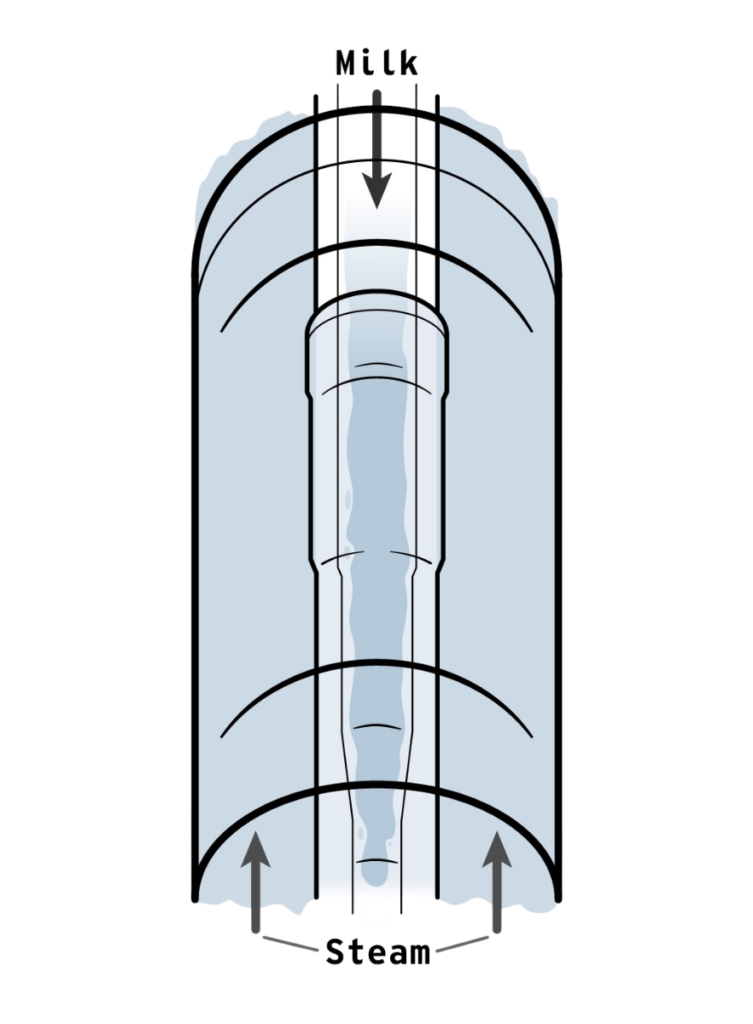
Pasteurization engineered to preserve 90%+ of protein
Our proprietary Gentle-UHT™ process applies indirect steam heat at approximately 285°F (141°C) for under five seconds. It inactivates pathogens, including heat-resistant strains like bacillus cereus that survive lower-temperature methods, while retaining over 90%+ of the protein in the milk.
Inflammatory debris cleared before pasteurization
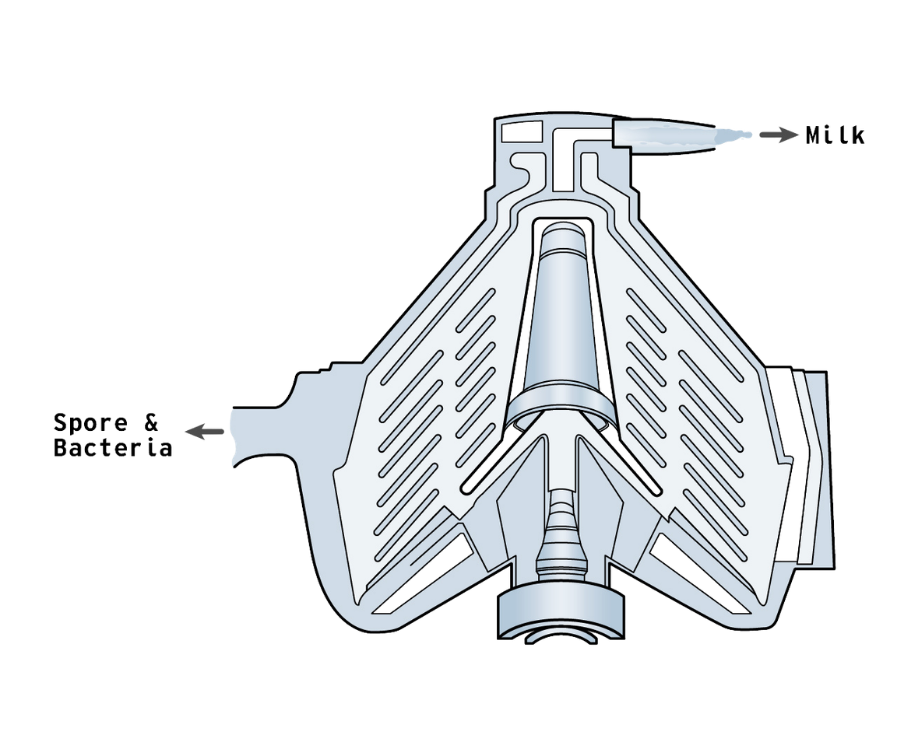
Bactofugation is a centrifugal clarification step that runs before any heat is applied. It physically removes bacterial particles, spores, and LPS (lipopolysaccharide) fragments from raw human milk, reducing the bacterial and inflammatory load before pasteurization. The dairy industry has relied on this technology for decades; LactaLogics is the first to apply it to human milk for neonatal nutrition.
For the biology of LPS in the preterm gut, see Lipopolysaccharides and Inflammation on our Clinical Hub.
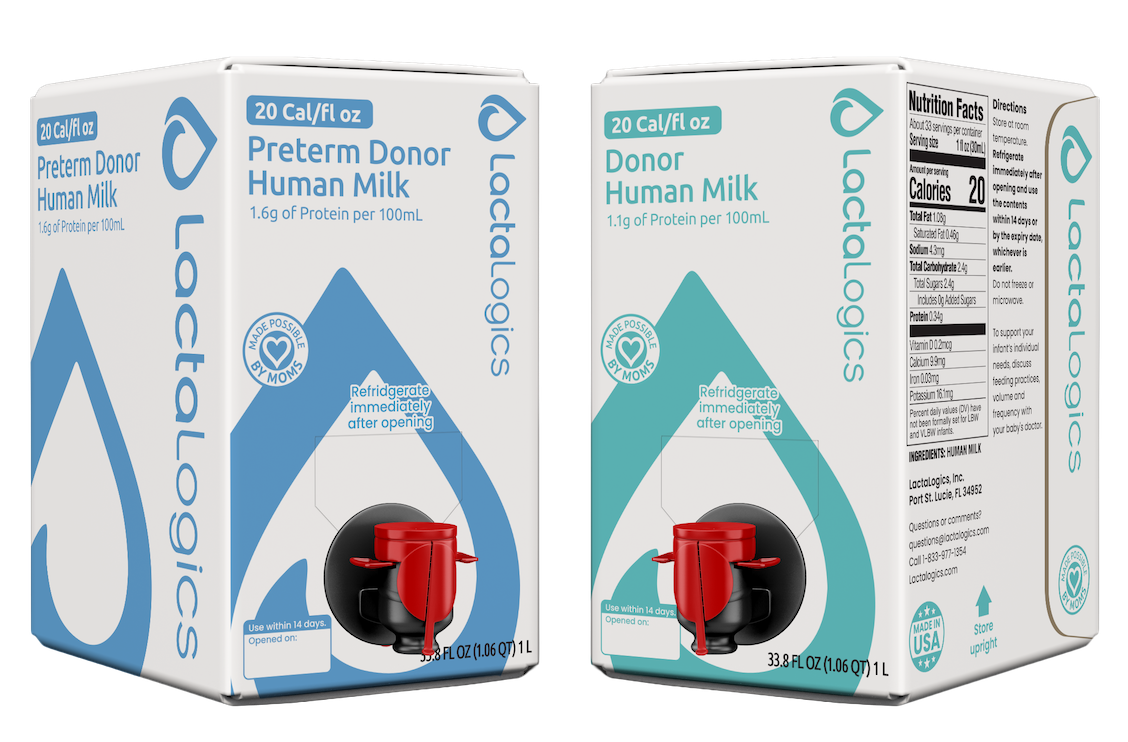
Ready to feed the moment it arrives.
LactaLogics donor human milk is shelf-stable until opened, so the countdown that forces frozen donor milk into the trash never starts. No thawing, no warming from frozen, no cold chain to manage. The milk room can pull a standardized product from the shelf and feed to order. The NICU can stop discarding defrosted milk that expired before it could be used.
Store at room temperature; once opened, refrigerate and use within 14 days. Supply chain managers can plan against predictable availability instead of frozen-inventory logistics.
Fortifier in development and coming soon.
CLINICAL HUB
Read the Research
Lipopolysaccharides and the Potential Implications for Chronic Inflammation in Neonates
Shelf-Stable Donor Human Milk: How it’s Processed and Why It Matters for Waste
Early study results show 93% breastfeeding success after short-term donor human milk supplementation
Ready to bring LactaLogics donor human milk to your unit?
Tell us about your NICU and we will schedule a short conversation with our clinical team.
Download the Brief
The Donor Human Milk We Need lays out the science and the benefits of LactaLogics’ standardized donor human milk.
Intended for U.S. Healthcare Professionals Only.