
Infant nutrition company
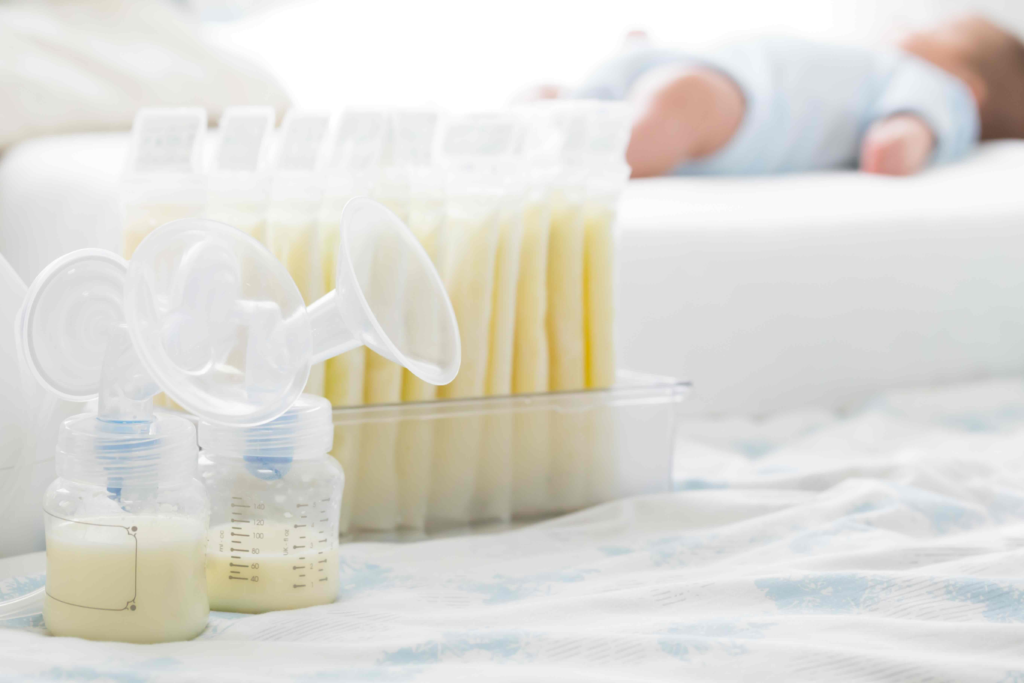
It started with a mother who had too much, and a friend who did not have enough.
Chelly Snow was making more milk than her baby needed. Her friend’s baby needed more than her friend could produce. The fix seemed obvious: send the extra to her friend. When that turned out to be nearly impossible, the question changed shape. Not how do I help her, but why is there no safe way for mothers to help each other?
What Chelly and her husband Glenn found was a system full of gaps. No affordable access to screened donor milk outside a hospital. No easy way for mothers to connect safely. Processing methods that had not meaningfully advanced in decades. The deeper they looked, the bigger the questions got, and the clearer it became that someone had to build the answer. Glenn decided it would be them.
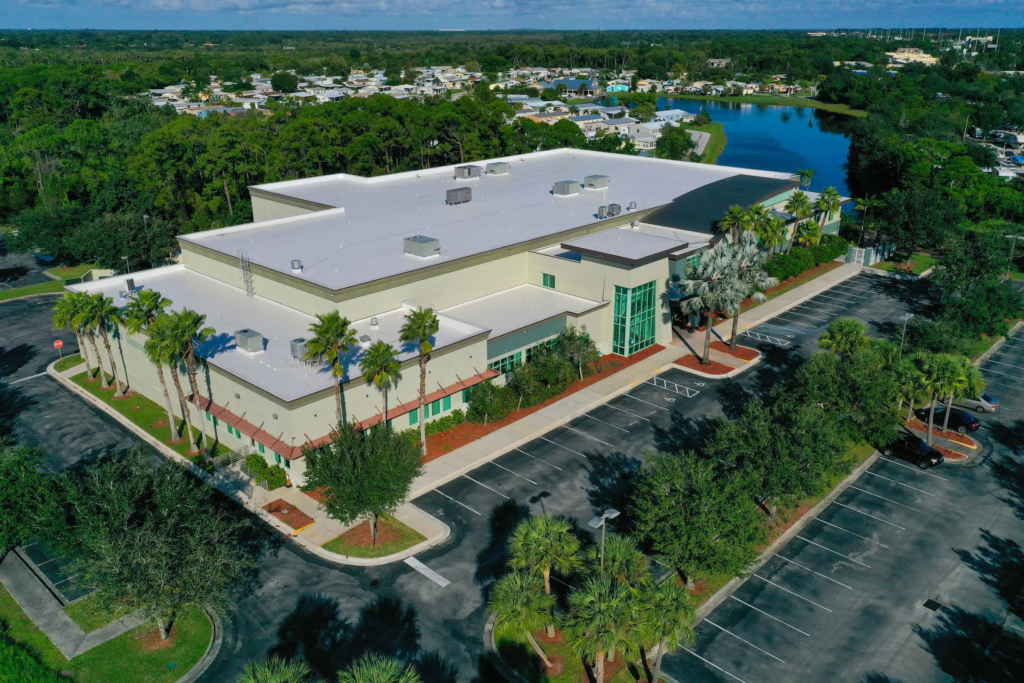
That answer is now a 70,000-square-foot processing facility in Port St. Lucie, Florida, built with support from USDA Food Safety resources and the technology the Snows spent years developing to close the gaps they had found. The science came after the story. The story is what made the science necessary.
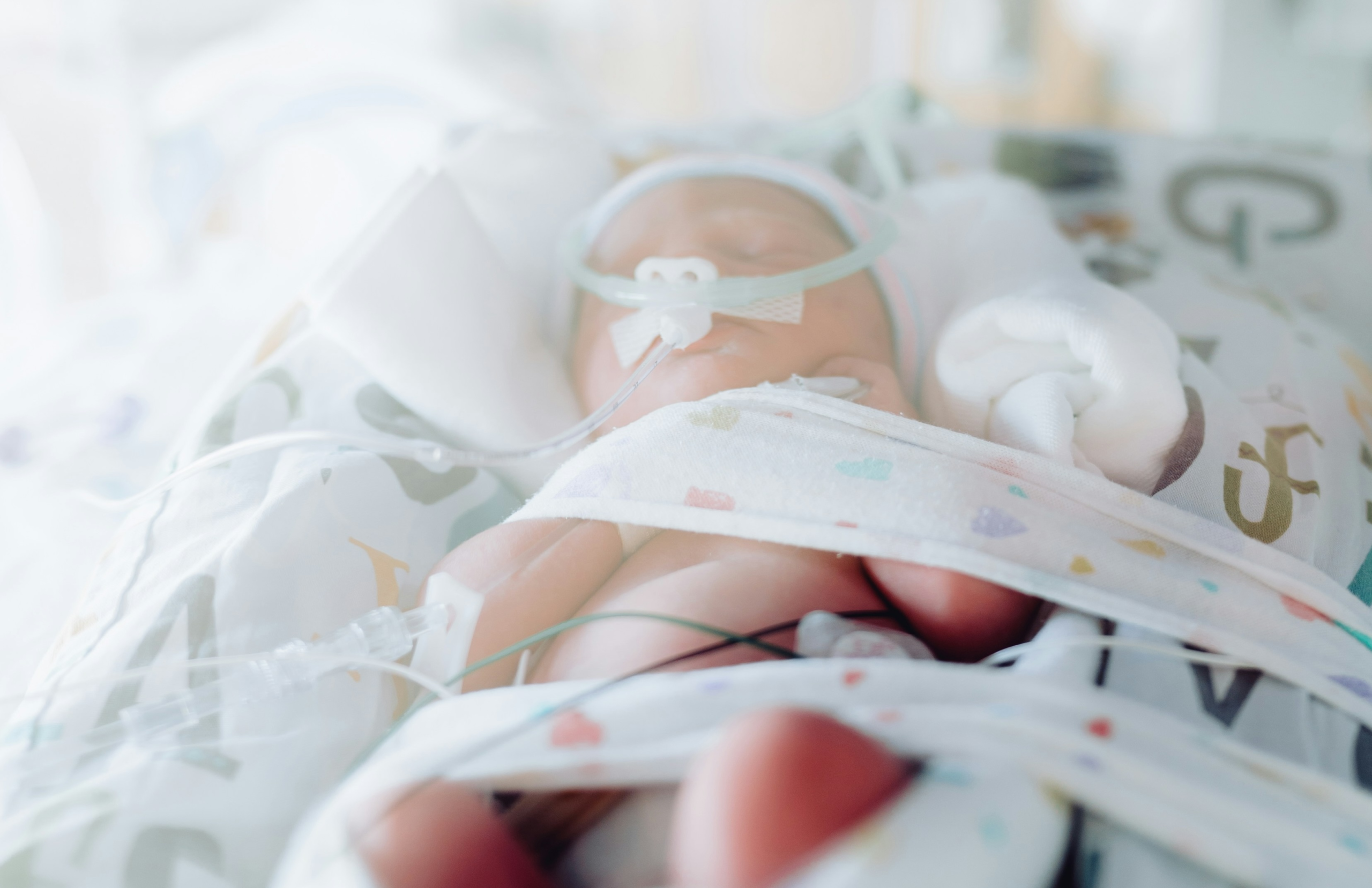
LactaLogics is a NEC Society Champion, standing with the community working to protect the most fragile infants.
Which babies are you feeding?

CLINICAL HUB
Read the Research
Lipopolysaccharides and the Potential Implications for Chronic Inflammation in Neonates
Filling the Supplementation Gap with Donor Human Milk
Shelf-Stable Donor Human Milk: How it’s Processed and Why It Matters for Waste
Where should we point you?
LactaLogics donor human milk comes from screened U.S. donors who share their surplus. If that could be you, we would love to hear from you.
Intended for U.S. Healthcare Professionals Only.